Key Takeaways
- Tablet compression directly impacts product consistency, quality, and overall production efficiency.
- Machine limitations often cause issues like weight variation, defects, and frequent downtime.
- Modern tablet press machines ensure high-speed production with stable compression control.
- Advanced systems offer flexibility for different materials, tablet sizes, and industry applications.
- Choosing the right Tablet Press Machine manufacturer ensures reliable performance, scalability, and long-term efficiency.
Tablet manufacturing looks straightforward from the outside — powder goes in, tablets come out. But anyone actually running a production line knows the reality is far messier. Variations in weight, inconsistent hardness, tooling wear, and machine downtime can quietly destroy efficiency. That’s where choosing the right Tablet Press Machine manufacturer becomes a serious decision, not just a procurement task.
As pharmaceutical and nutraceutical markets scale, manufacturers need machines that deliver speed without sacrificing control. High-speed output alone isn’t enough — consistency across millions of tablets is what defines a reliable operation.
Why Tablet Compression Limits Output
Most production delays don’t happen at mixing or granulation — they happen during compression. That’s the stage where everything needs to align perfectly.
Common issues include:
- Weight variation across batches
- Tablet capping or lamination
- Frequent machine stoppages
- Tooling wear affecting output quality
These problems usually point back to machine limitations, not operator error. A well-designed system from a reliable Tablet Press Machine manufacturer reduces these risks by offering stable compression control, consistent die filling, and better mechanical precision.
Without that, scaling production just amplifies the problems.
How Modern Tablet Press Machines Work
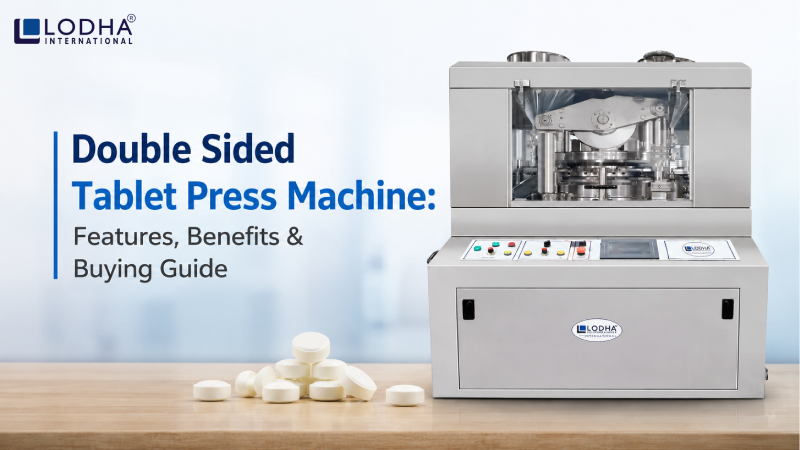
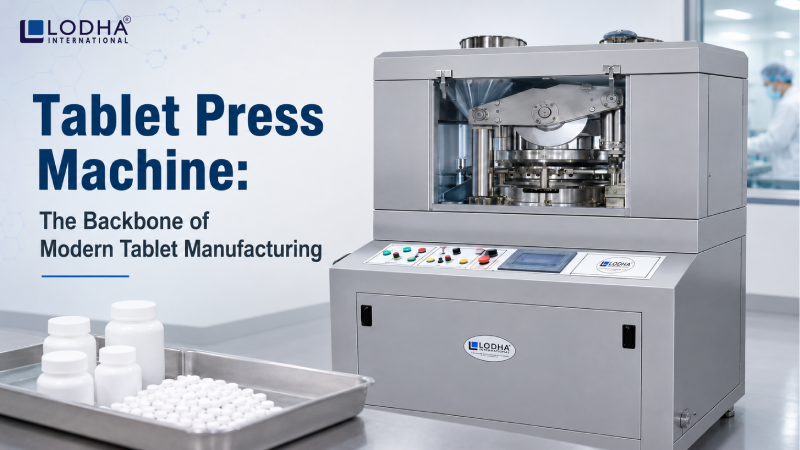
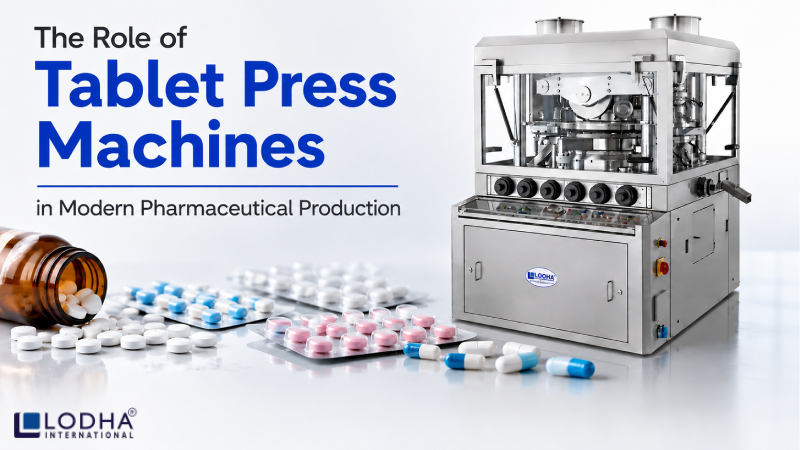
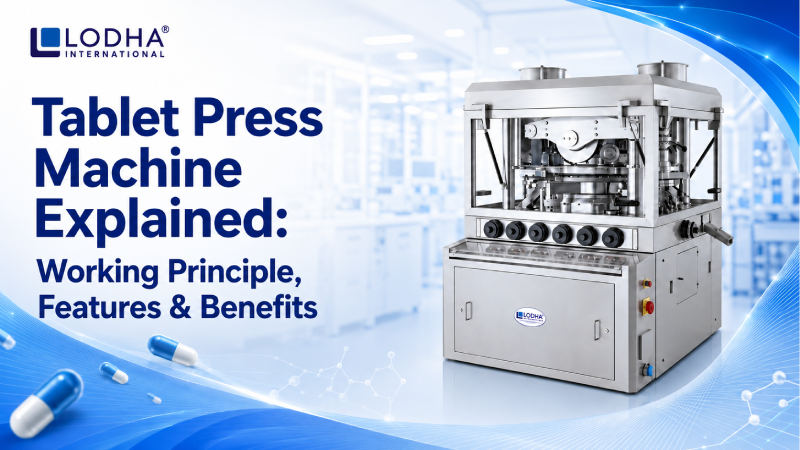
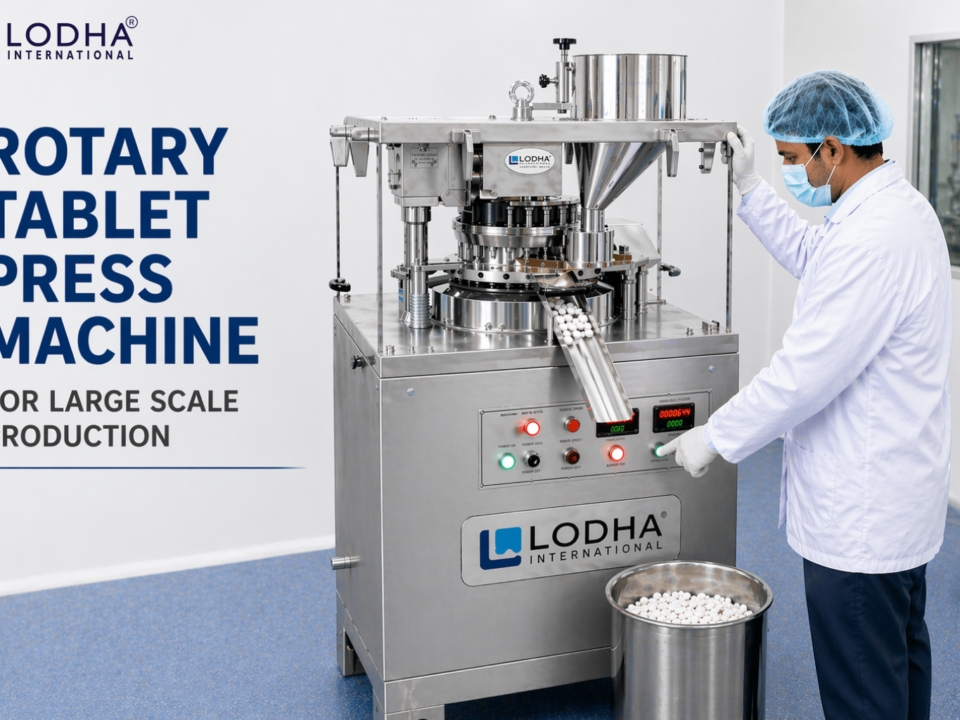
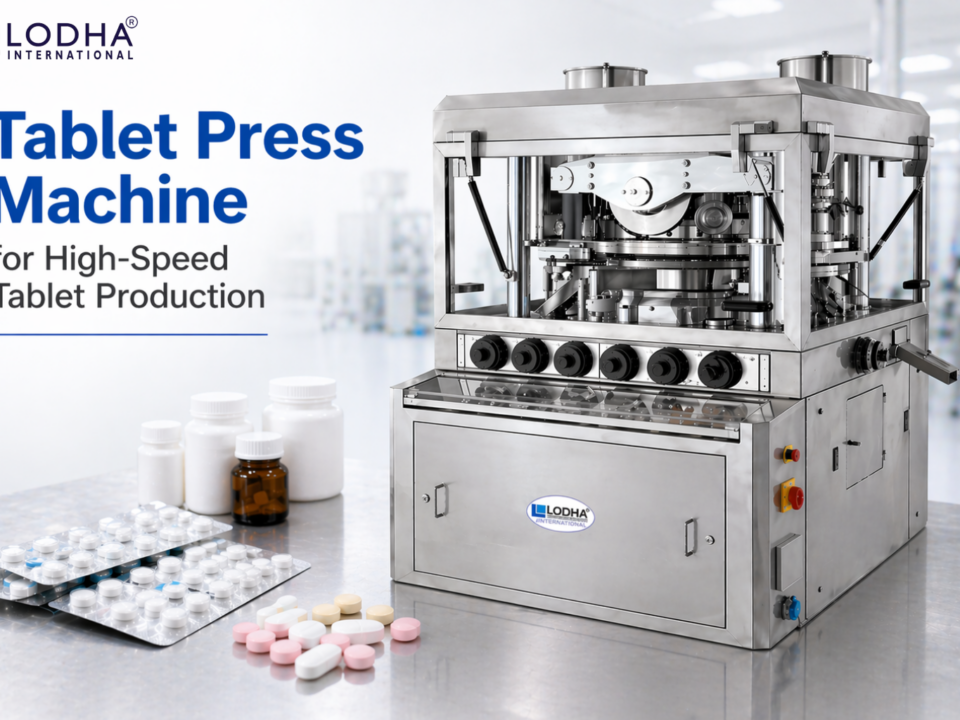
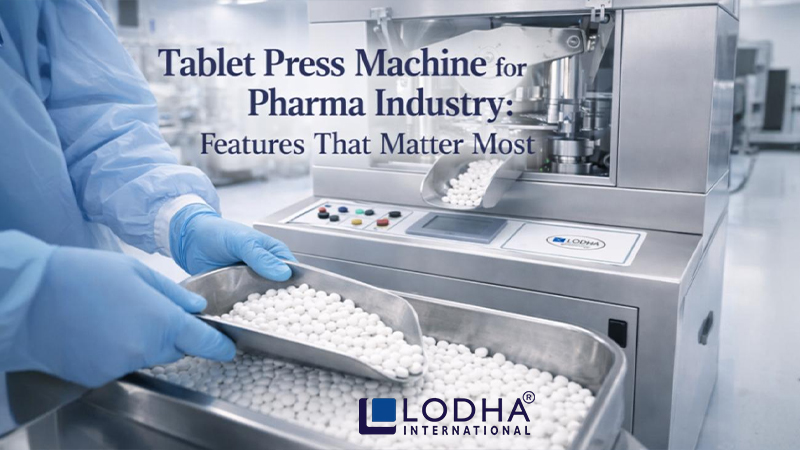
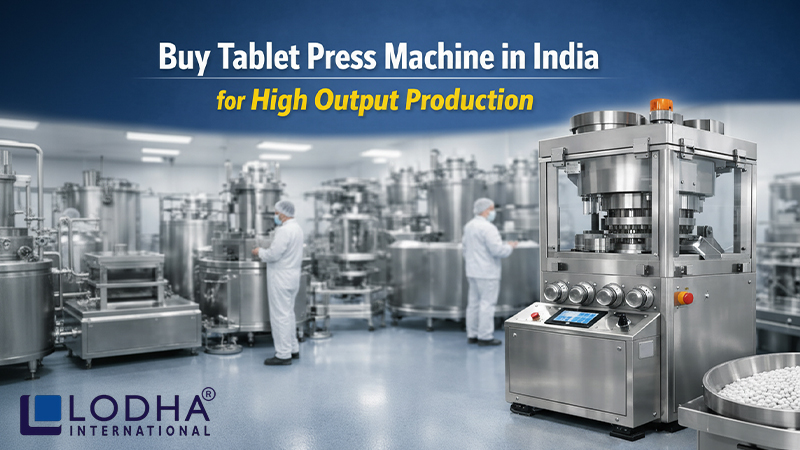
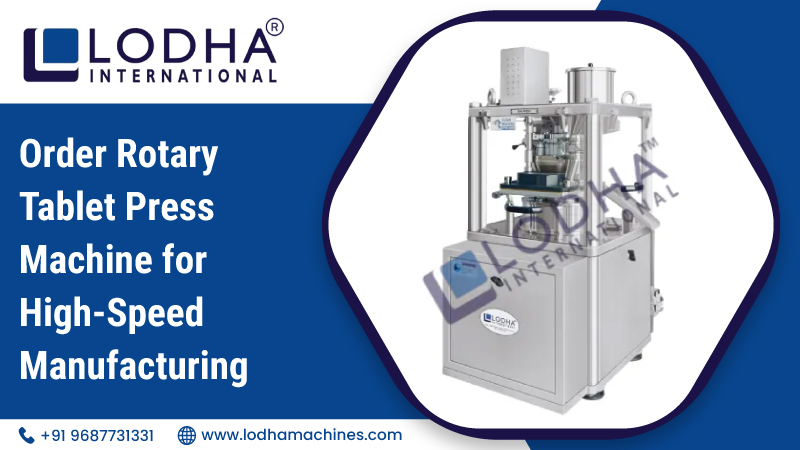
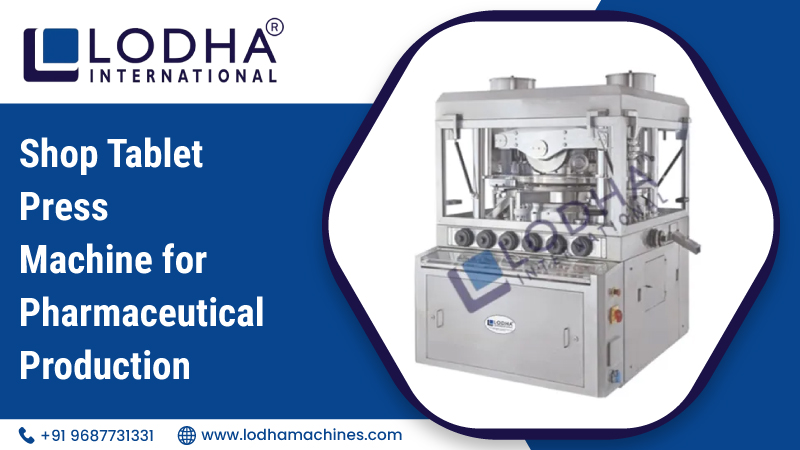
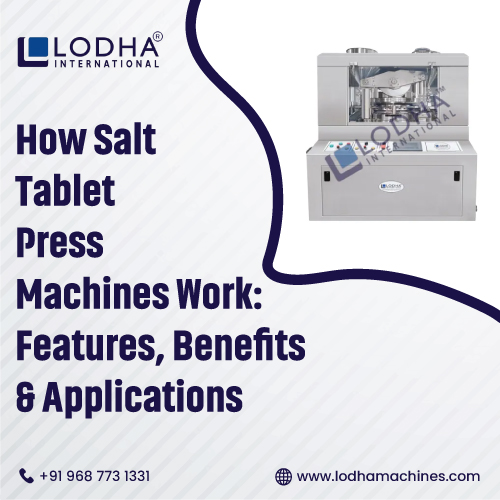
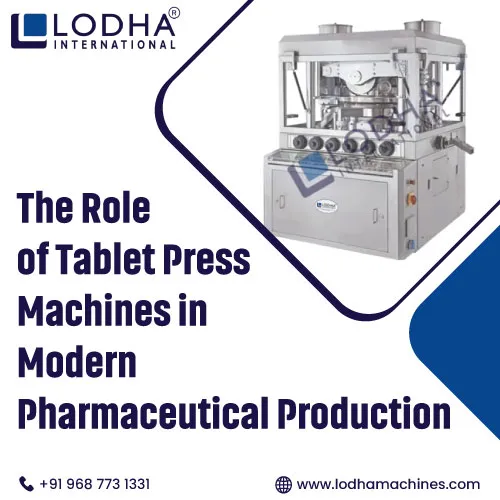
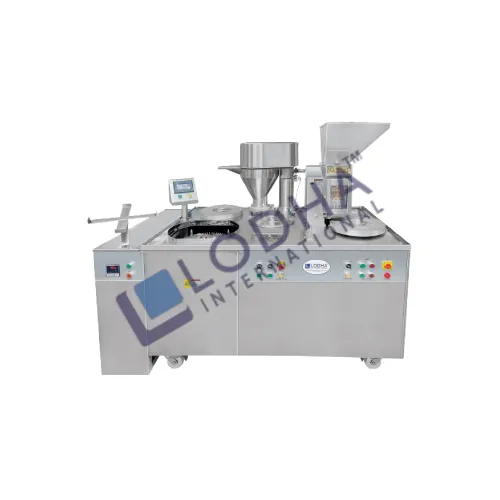
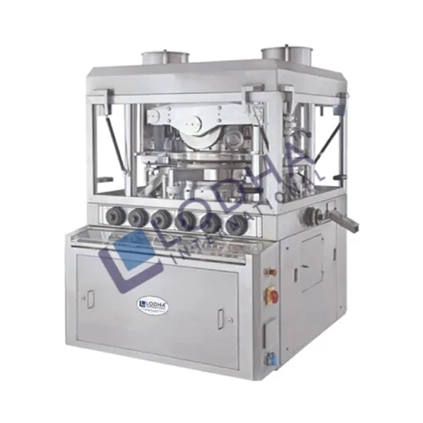
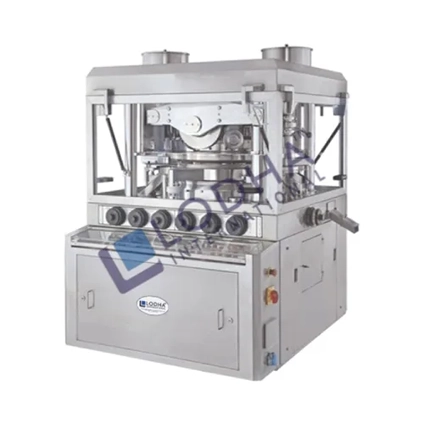
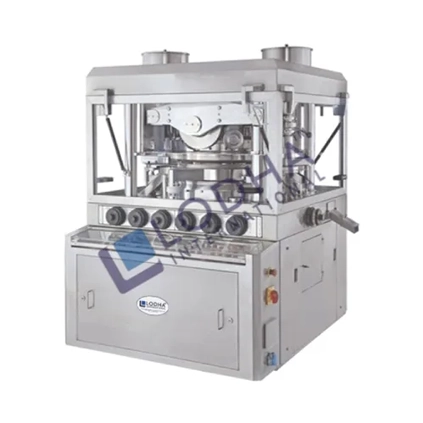
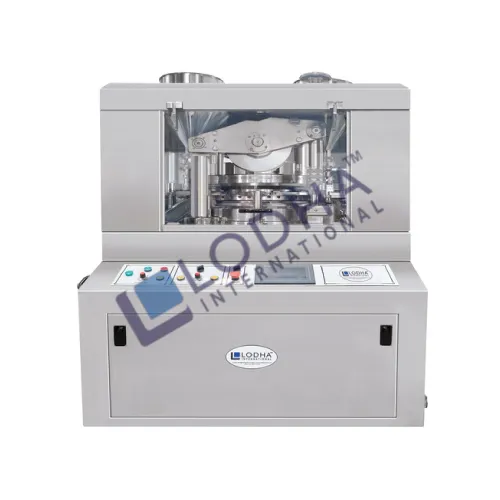
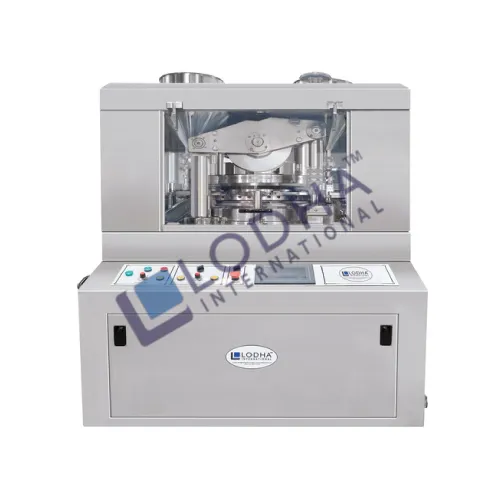
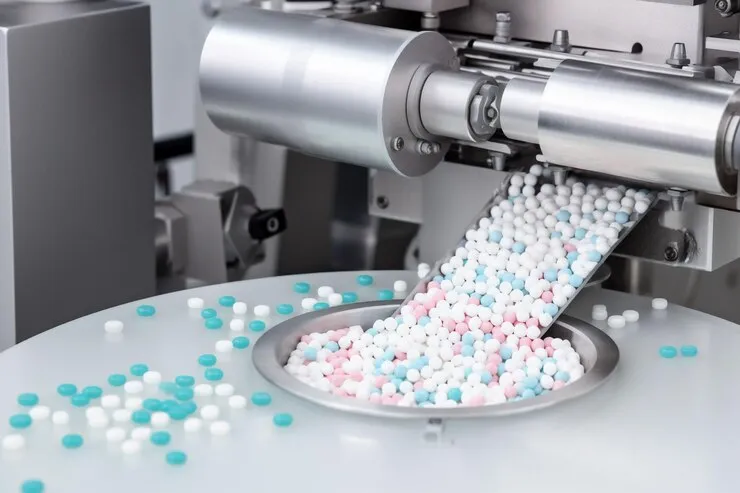
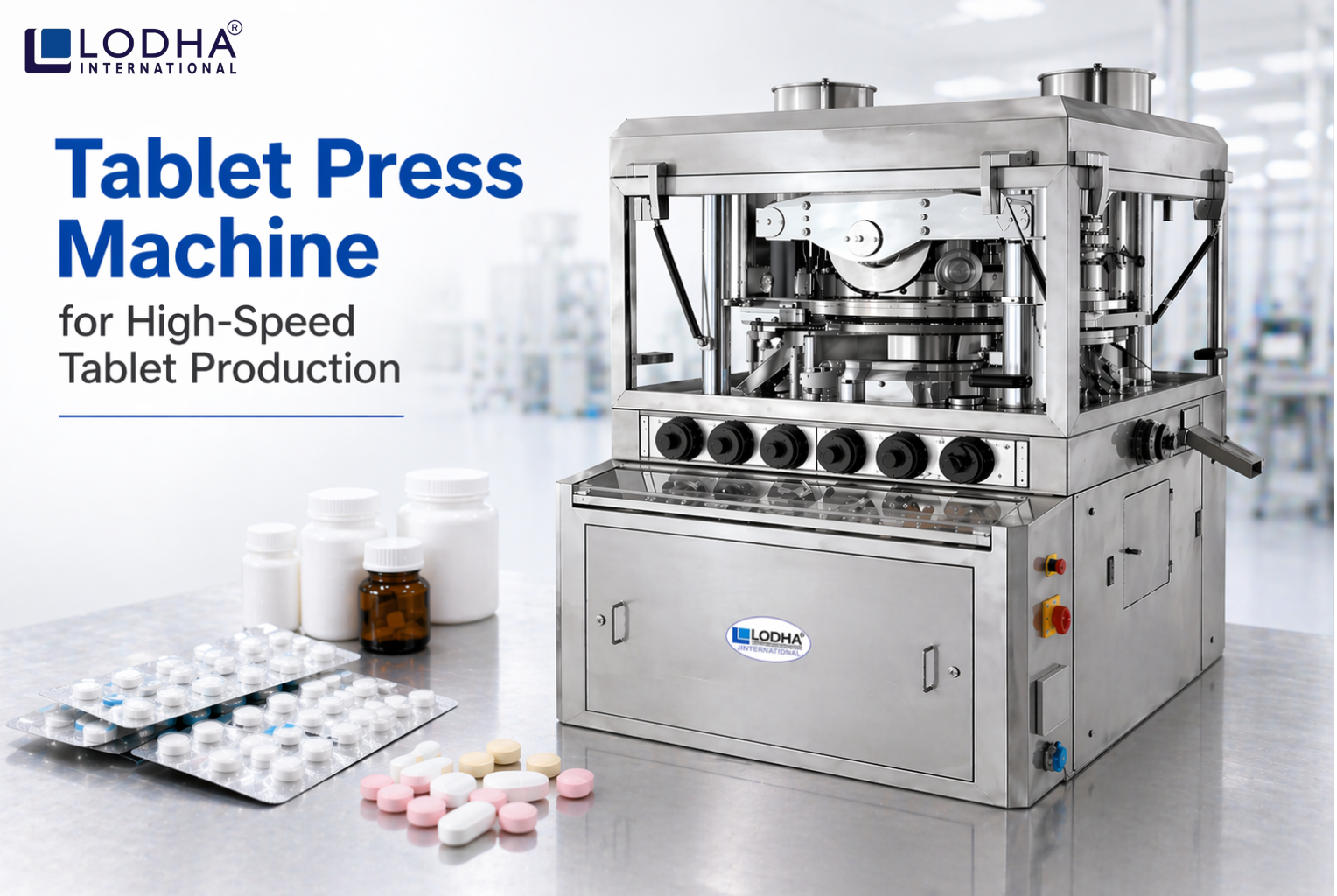
A tablet press machine uses controlled compression to turn powder or grains into tablets. Sounds simple — but the precision involved is anything but.
Step-by-Step Process
1. Powder Feeding
Granulated material is fed into the hopper and guided into dies through a controlled feeding system. Consistent flow at this stage directly affects tablet weight.
2. Die Filling
The powder fills the die cavity. Advanced machines regulate fill depth to maintain uniformity across all stations.
3. Compression Stage
The substance is compressed into a solid tablet by upper and lower punches.. This is where pressure control becomes critical. Too much pressure damages tablets, too little creates weak ones.
4. Ejection
Finished tablets are ejected and collected, while defective ones can be identified and removed in advanced systems.
A capable Tablet Press Machine manufacturer designs this entire cycle to run smoothly at high speeds without losing control over any stage.
What High-Speed Production Really Means
A lot of buyers get distracted by speed numbers. But high RPM doesn’t automatically translate into better production.
True High-Speed Performance Includes:
- Consistent Output at Scale
Running fast is easy. Running fast without variation is the real challenge.
- Stable Compression Force
Maintaining uniform pressure across multiple stations prevents defects like capping or cracking.
- Minimal Downtime
Frequent stoppages kill productivity. Machines should run continuously with minimal adjustments.
- Efficient Heat Management
High-speed compression generates heat, which can affect tablet integrity. Good machines manage this effectively.
When evaluating a Tablet Press Machine manufacturer, focus on how the machine performs under continuous load — not just peak speed claims.
Features That Actually Impact Production
Forget generic feature lists. These are the elements that make a difference on the shop floor:
- Multi-Station Rotary Design
Allows simultaneous compression of multiple tablets, increasing output without compromising consistency.
- Precision Weight Control
Advanced systems regulate powder fill and compression force to maintain uniform tablet weight.
- Tooling Compatibility
Support for different punch and die configurations gives flexibility for various tablet shapes and sizes.
- Automated Monitoring Systems
Sensors track parameters like pressure, weight, and speed, allowing quick adjustments when needed.
- Dust Control Mechanisms
Built-in dust extraction systems keep the environment cleaner and reduce wear on machine components.
- User-Friendly Interface
Touchscreen controls and programmable settings simplify operation and reduce dependency on highly skilled operators.
A serious Tablet Press Machine manufacturer doesn’t overload machines with unnecessary features — they focus on what improves output and reliability.
Real-World Applications Across Industries
Pharmaceutical companies are not the only ones using tablet press equipment. They are crucial in a variety of industries due to their adaptability:
- Pharmaceutical tablets (standard and coated)
- Nutraceutical supplements
- Herbal and Ayurvedic formulations
- Chemical tablets (cleaning agents, catalysts)
This wide application range shows one thing clearly — the machine must adapt to different materials and compression requirements. That flexibility is non-negotiable for modern production lines.
Common Buying Mistakes You Should Avoid
Most businesses don’t fail because they bought the wrong machine — they fail because they ignored the right questions.
- Focusing Only on Initial Cost
Lower upfront cost often leads to higher maintenance and inconsistent output.
- Ignoring Material Behaviour
Different formulations require different compression settings. Not all machines handle variation well.
- Overlooking Tooling Quality
Even a good machine performs poorly with substandard tooling.
- No Plan for Future Scale
Buying for current capacity limits growth and leads to early upgrades.
- Skipping Technical Support Evaluation
Without reliable support, even minor issues can halt production for hours or days.
A knowledgeable Tablet Press Machine manufacturer helps you think beyond purchase — and into long-term performance.
Why Choose Lodha International LLP
At Lodha International LLP, we approach tablet compression with a practical mindset. We understand that production lines don’t operate in ideal conditions — they deal with varying materials, shifting demands, and constant pressure to perform.
Our machines are built to handle that reality. We focus on delivering stable compression, consistent output, and systems that don’t require constant intervention. Whether you’re producing pharmaceutical tablets, nutraceutical supplements, or herbal formulations, our equipment is designed to adapt without slowing you down.
What makes us different is how we balance speed with control. We don’t chase headline numbers — we build machines that actually perform over long production runs. And we stay involved after installation, helping our clients get the most out of their systems as their production scales.
Conclusion
Tablet production is all about consistency at scale. Anyone can compress powder into tablets — but maintaining uniform weight, strength, and quality across thousands or millions of units is where the real challenge lies.
Choosing the right Tablet Press Machine manufacturer plays a huge role in how smoothly your production runs. It’s not just about speed or specifications — it’s about how well the machine handles real-world conditions, adapts to different formulations, and supports long-term growth.
If your goal is to improve efficiency, reduce variability, and scale production without constant issues, investing in the right tablet press machine is a move that pays off over time. It simplifies operations, improves reliability, and gives you control where it matters most — at the core of your manufacturing process.
Need a reliable tablet press solution? Call +91 9726274320 or email info@lodhapharma.com to discuss the right machine for your production goals.
FAQs
What types of materials can tablet press machines handle?
They can compress powders and granules used in pharmaceuticals, nutraceuticals, and chemical applications.
How important is compression force control?
It directly affects tablet strength, dissolution rate, and overall product quality.
Can one machine produce different tablet sizes and shapes?
Yes, with the right tooling and adjustments, machines can handle various formats.
What causes defects like capping or lamination?
These usually result from incorrect compression force, poor granulation, or machine limitations.
How do I choose the right Tablet Press Machine manufacturer?
Look for experience, machine adaptability, long-term support, and how well their systems align with your production requirements.