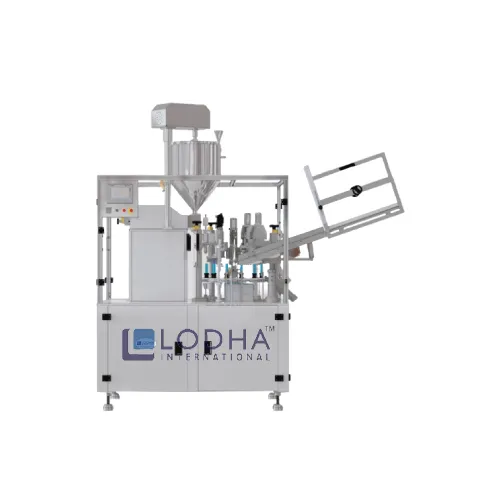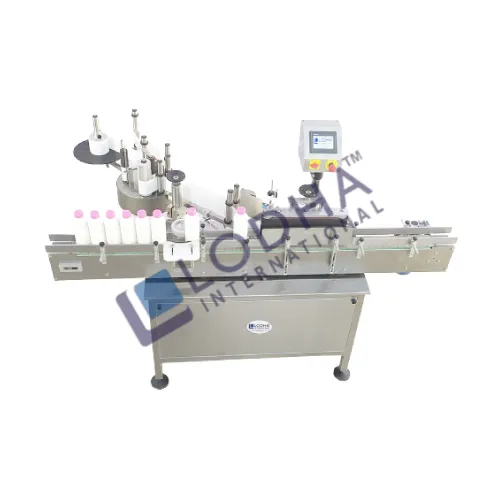
Key Takeaways
- Bottle capping directly impacts product safety, sealing quality, and overall packaging efficiency.
- Inconsistent torque, misalignment, and stoppages can disrupt the entire production line.
- Automatic capping machines ensure consistent sealing, smooth integration, and reduced rejection rates.
- Advanced systems handle multiple cap types and bottle sizes with minimal changeover time.
- Choosing the right Automatic Bottle Capping Machine manufacturer ensures reliable performance, scalability, and long-term production stability.
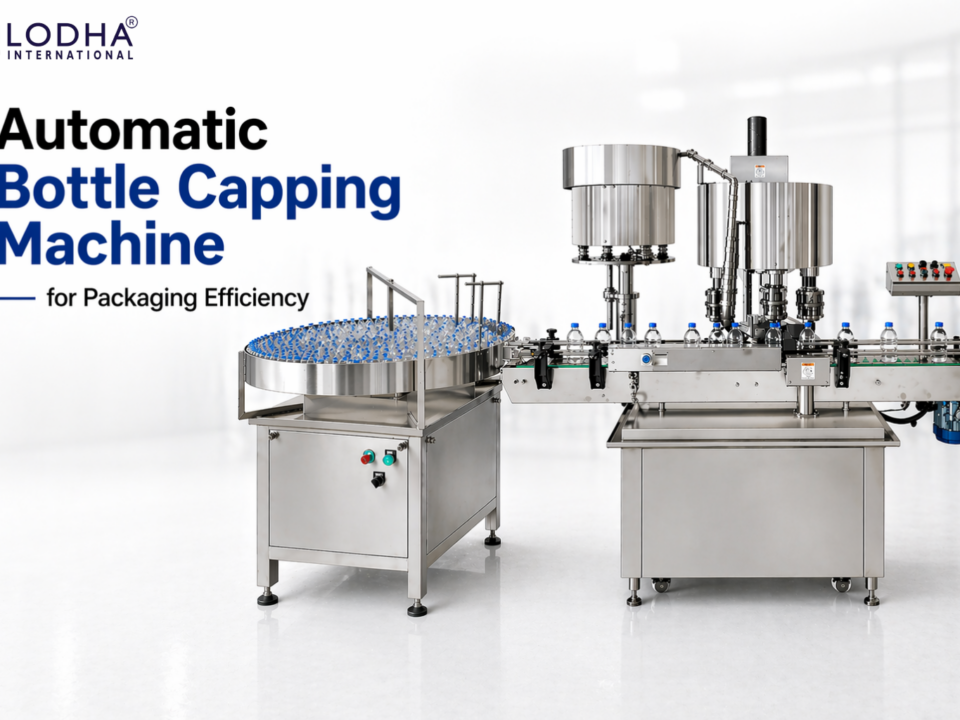
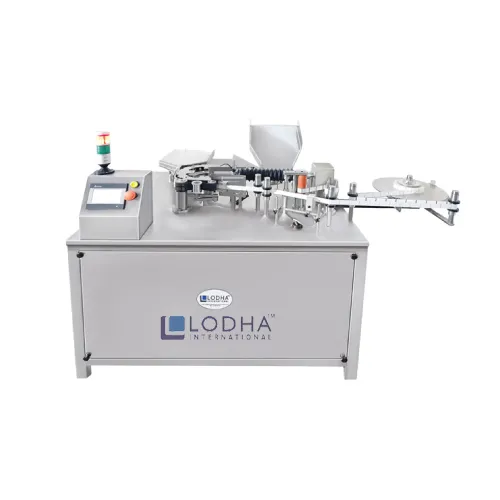
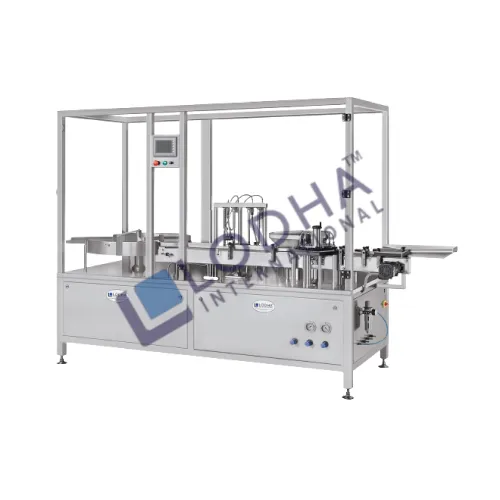
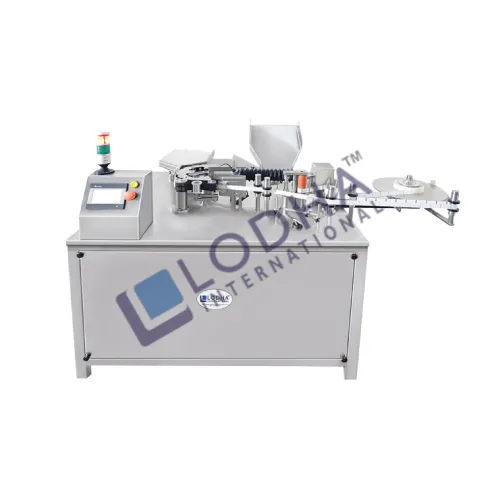
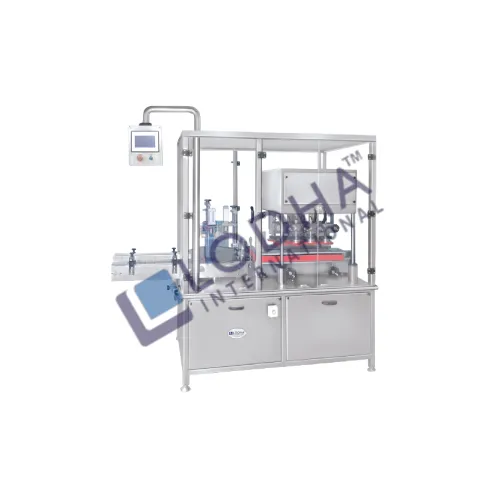
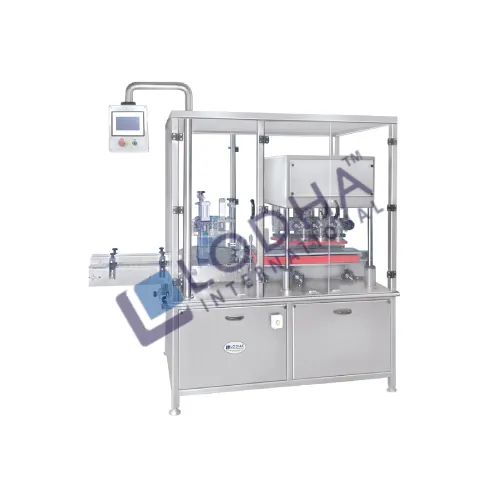
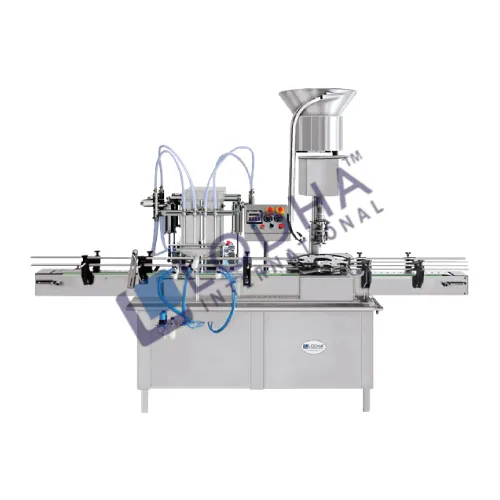
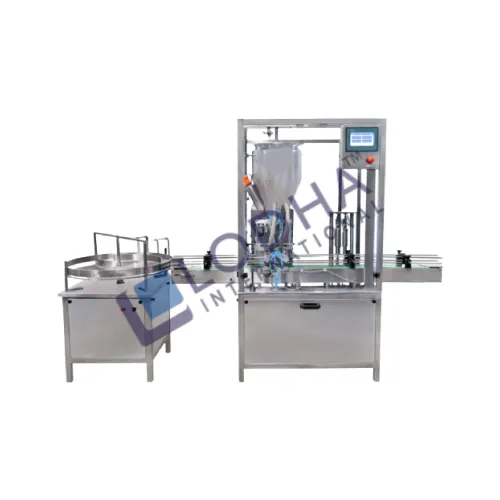
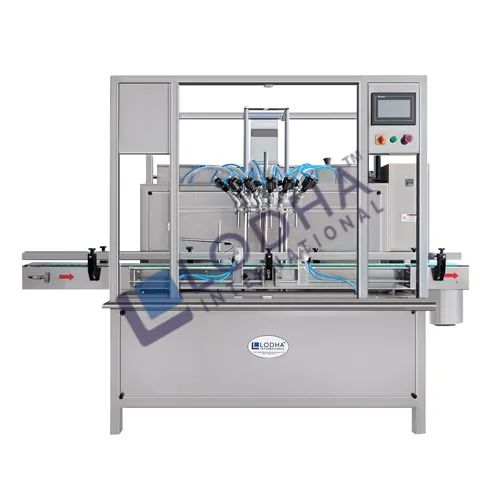
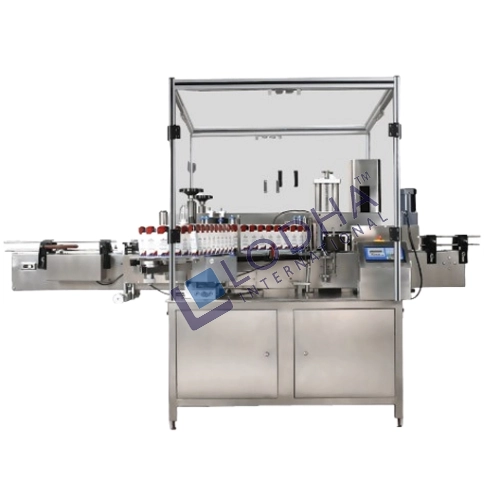
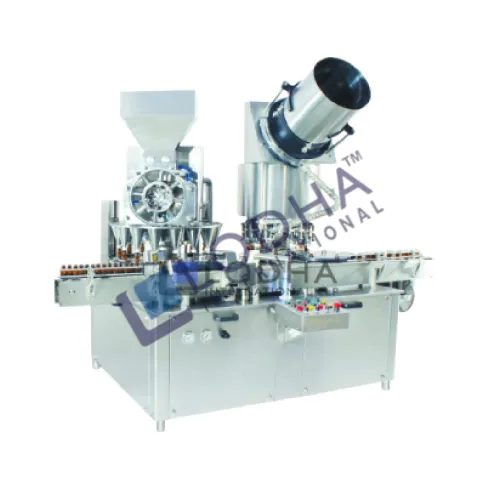
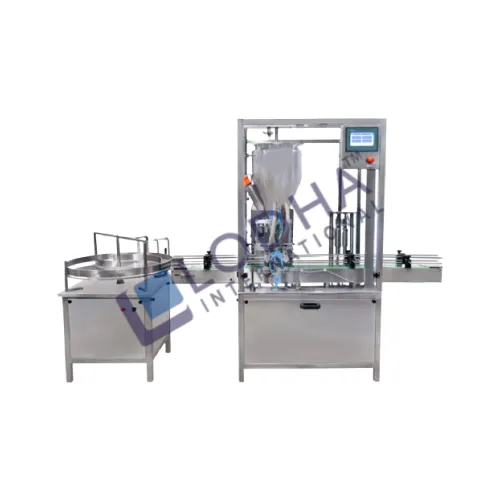
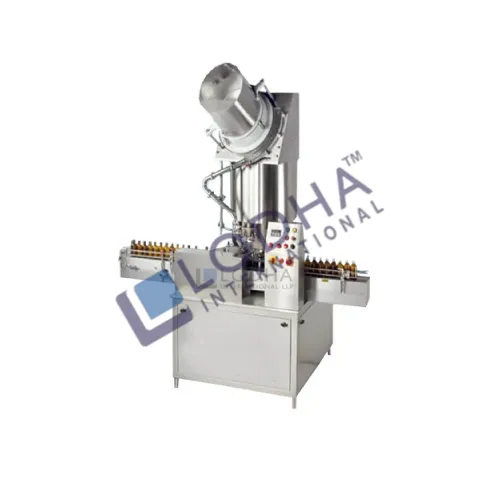
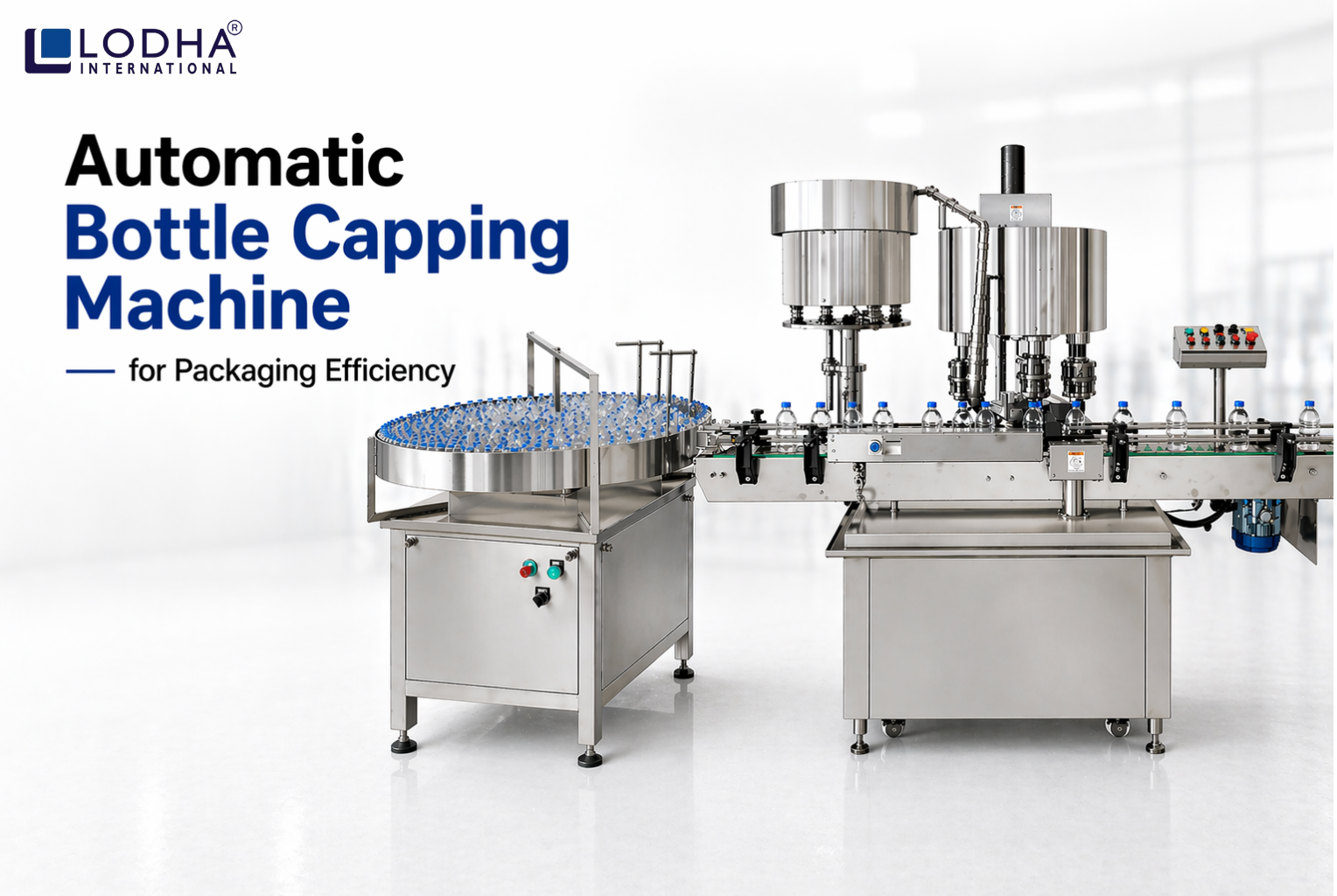
In any production line, capping looks like a small step — until it starts slowing everything down. Loose caps, inconsistent torque, bottle damage, or frequent stoppages can quietly disrupt the entire packaging flow. That’s exactly why investing in the right Automatic Bottle Capping Machine for Packaging from a reliable Automatic Bottle Capping Machine manufacturer becomes critical.
As industries scale — whether pharmaceuticals, cosmetics, food, or chemicals — the demand for consistent, tamper-proof packaging increases. Manual or semi-automatic systems simply can’t keep up with modern output requirements.
Why Bottle Capping Is Often the Weakest Link
packaging lines often fail at the finishing stage. You might have a fast-filling system, but if capping isn’t aligned, everything backs up.
Common problems include:
- Inconsistent cap tightening
- Cross-threading or cap damage
- Bottles getting stuck or misaligned
- High rejection rates
These aren’t minor issues. They affect product safety, shelf life, and brand perception.
A well-designed system from a trusted Automatic Bottle Capping Machine manufacturer eliminates these variables by standardising torque, alignment, and handling across every bottle.
How Automatic Bottle Capping Machines Work in Real Production
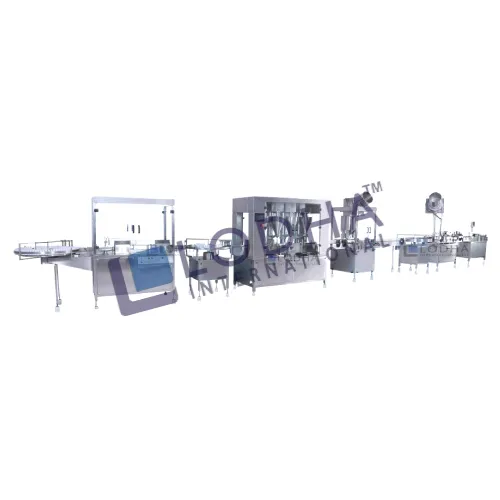
Modern machines aren’t just about placing caps — they synchronise with the entire packaging line.
Step-by-Step Workflow
1. Bottle Feeding
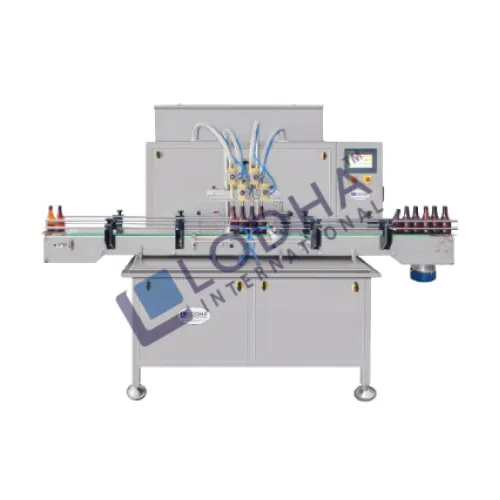
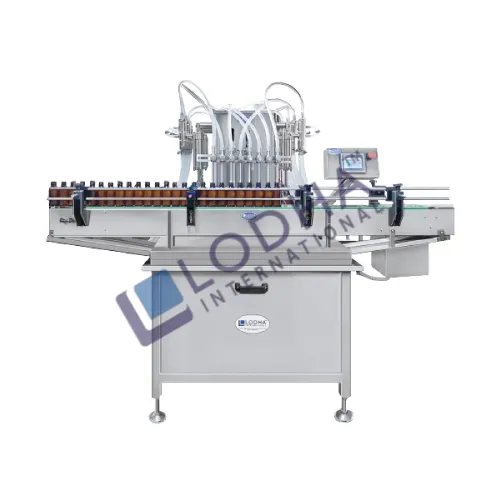
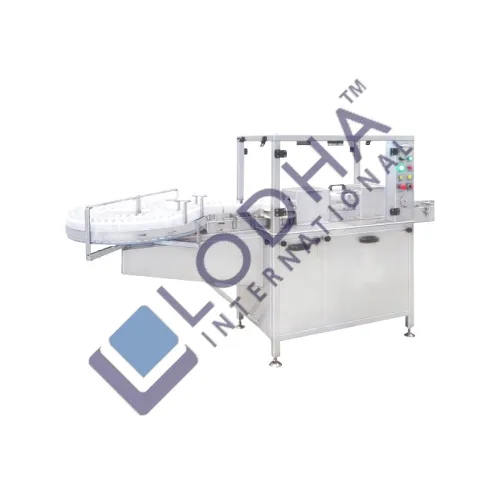
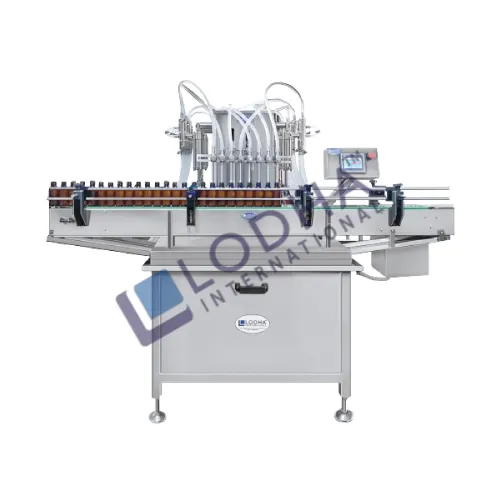
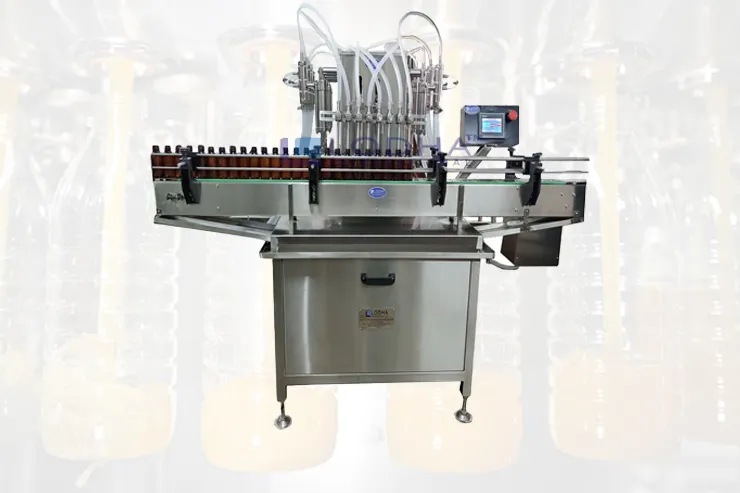
Filled bottles move through a conveyor system into the capping station. Proper spacing and alignment are critical here.
2. Cap Placement
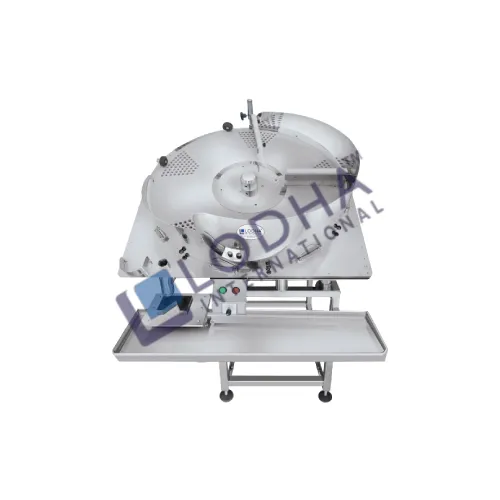
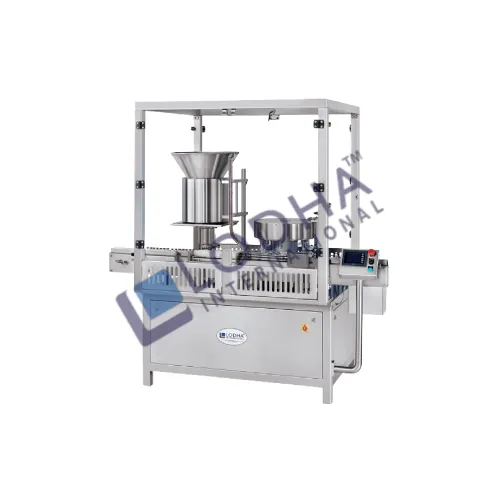
Caps are automatically fed and positioned onto bottles using cap feeders or sorting systems.
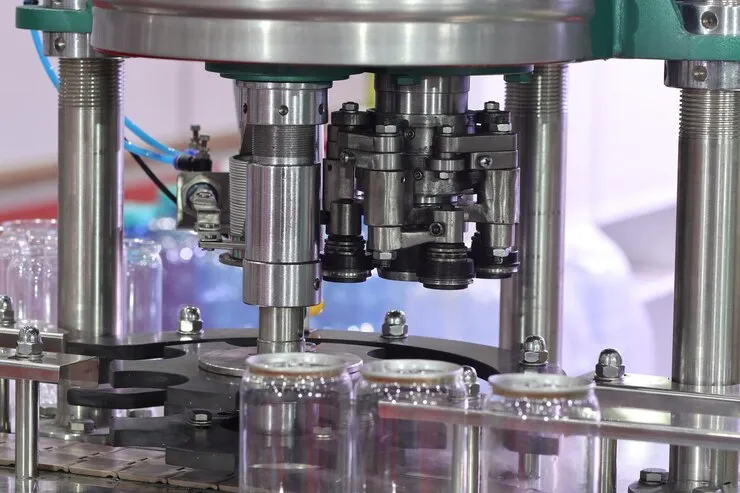
3. Torque-Controlled Capping
The machine applies caps with controlled torque, preventing over-tightening or loose sealing.
4. Inspection & Rejection
Advanced systems detect improperly capped bottles and remove them without interrupting the line.
5. Continuous Output
Once capped, bottles move seamlessly to labelling or secondary packaging stages.
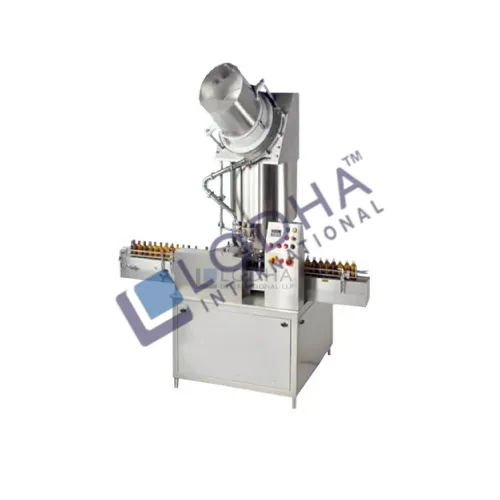
A reliable Automatic Bottle Capping Machine for Packaging integrates smoothly into this workflow, reducing manual intervention and keeping production steady.
What “Efficiency” Actually Means in Capping
Most buyers think efficiency is just speed. That’s incomplete — and honestly, misleading.
Real Efficiency Includes:
- Consistent Torque Application
Every bottle must have the same sealing strength. Variations lead to leakage or difficulty in opening.
- Smooth Line Integration
The machine should match the speed of your filling and labelling systems without causing bottlenecks.
- Low Rejection Rate
Frequent defects slow down production more than anything else.
- Minimal Changeover Time
Switching between bottle sizes or cap types shouldn’t take hours.
A serious Automatic Bottle Capping Machine manufacturer focuses on these operational realities, not just output numbers.
Important Elements That Really Count on the Floor
There’s a big difference between “features on paper” and “features that improve production.” Here’s what to look for:
- Adjustable Torque Control
Allows precise tightening based on cap type and product requirements.
- Multi-Cap Compatibility
Handles screw caps, flip-top caps, and other closures without major reconfiguration.
- Automatic Cap Feeding System
Reduces manual handling and keeps the process continuous.
- Conveyor Synchronisation
Maintains smooth movement of bottles without jams or misalignment.
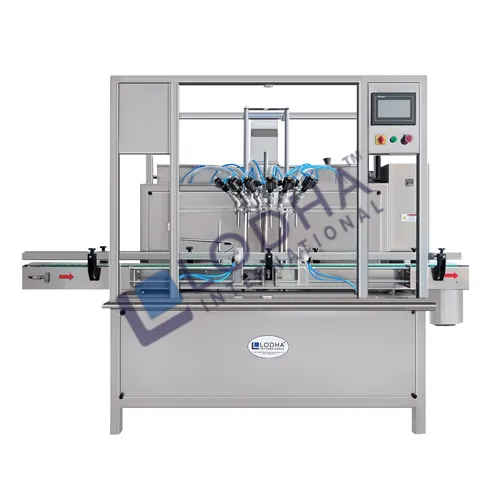
- Stainless Steel Construction
Suitable for pharma, food, and cosmetic environments with easy cleaning.
- Compact Design
Retains a high output capacity while saving floor space.
- User-Friendly Controls
Touchscreen interfaces and programmable settings simplify operation and reduce training time.
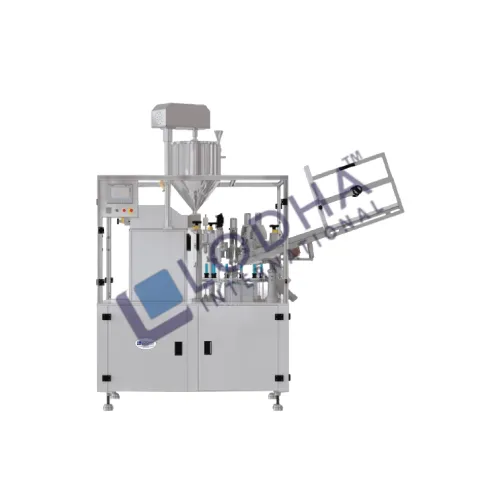
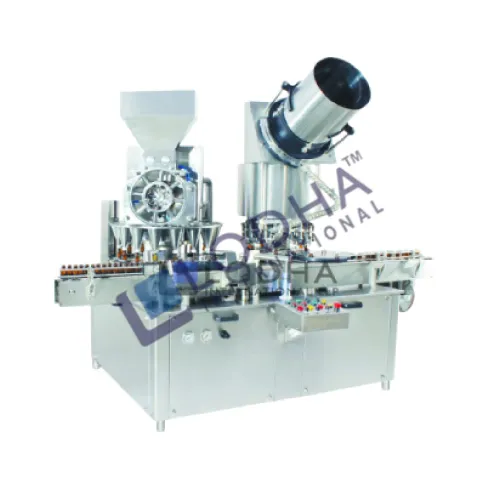
A dependable Automatic Bottle Capping Machine for Packaging combines these features into a system that works reliably under daily production pressure.
Where These Machines Are Used
Automatic bottle capping machines are widely used across industries, which says a lot about their flexibility:
- Pharmaceutical syrups and liquid medicines
- Cosmetic products like lotions, serums, and oils
- Food products such as sauces and beverages
- Chemical and industrial liquids
This cross-industry demand highlights one thing — the machine must adapt to different viscosities, bottle types, and closure systems without compromising performance.
Common Buying Mistakes
Here’s where most businesses go wrong — and it’s rarely obvious at the start.
- Choosing Speed Over Stability
High-speed machines that can’t maintain consistency create more problems than they solve.
- Ignoring Cap and Bottle Variations
Not all machines handle different cap designs efficiently. Compatibility matters.
- Underestimating Integration Needs
If your capping machine doesn’t sync with your existing line, you’ll face constant slowdowns.
- Skipping Maintenance Considerations
Machines that require frequent adjustments or servicing disrupt production more than expected.
- No Future Planning
Production grows. Your machine should be able to scale with it.
A knowledgeable Automatic Bottle Capping Machine manufacturer helps you think beyond immediate needs and align the machine with long-term production goals.
Why Choose Lodha International LLP
At Lodha International LLP, we focus on how packaging lines actually operate — not just how machines perform in ideal conditions. We understand that capping is often the final checkpoint before products reach the market, so there’s no room for inconsistency.
Our systems are built to deliver stable torque control, smooth bottle handling, and seamless integration with existing production lines. Whether you’re working with pharmaceutical liquids, cosmetic products, or food applications, we design machines that adapt without slowing your operations.
What sets us apart is our practical approach. We prioritise ease of use, minimal downtime, and flexibility for different bottle and cap types. And we stay involved after installation, helping our clients get consistent performance as their production scales.
Conclusion
Bottle capping might seem like a small part of the process, but it has a direct impact on product quality, safety, and customer experience. A loose cap or damaged seal can undo all the effort that went into manufacturing the product.
Choosing the right Automatic Bottle Capping Machine for Packaging from a trusted Automatic Bottle Capping Machine manufacturer is about more than just speed. It’s about consistency, reliability, and how well the machine fits into your overall production system.
If your goal is to reduce defects, improve efficiency, and scale your operations without constant interruptions, investing in the right capping solution is a smart move. It brings stability to your packaging line and helps you maintain control where it matters most — at the final stage of production.
Looking to improve your packaging efficiency? Call +91 9726274320 or email info@lodhapharma.com to find the right capping solution for your production line.
FAQs
What types of caps can automatic capping machines handle?
They can handle screw caps, flip-top caps, press-on caps, and other closure types depending on the machine design.
How important is torque control in capping?
It directly affects sealing quality, preventing leaks or overly tight caps that are difficult to open.
Can one machine handle different bottle sizes?
Yes, with adjustable settings and changeover parts, machines can handle multiple bottle sizes.
Yes, with adjustable settings and changeover parts, machines can handle multiple bottle sizes.
Not if the machine is designed for compatibility. Proper synchronisation is key to smooth operation.
How do I choose the right Automatic Bottle Capping Machine manufacturer?
Focus on experience, machine adaptability, integration capability, and ongoing support after installation.