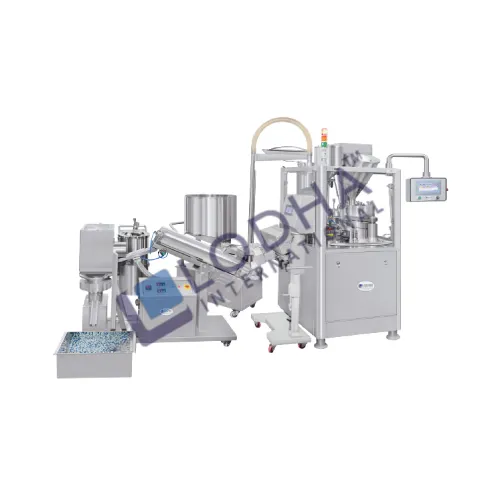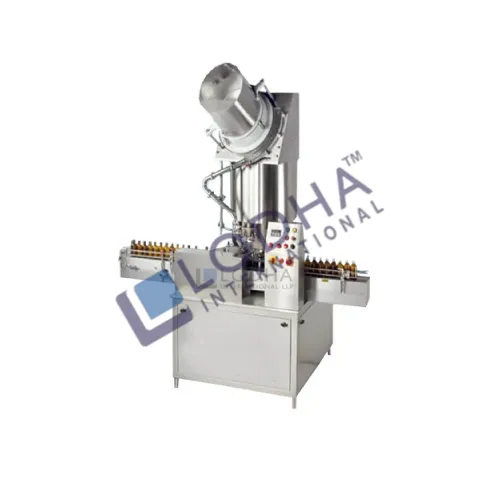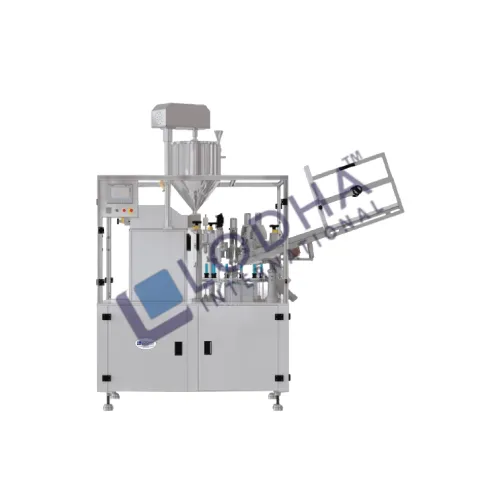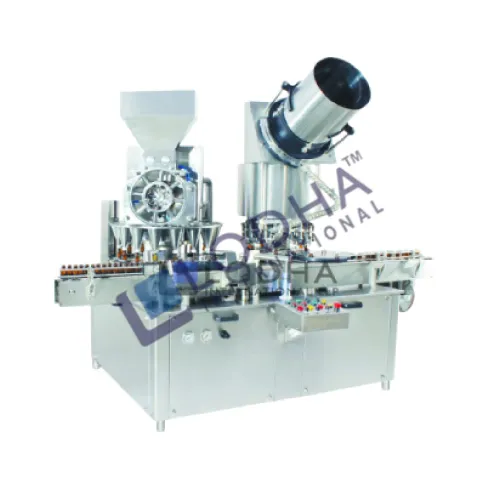
Key Takeaways
- A high-quality Tablet Press Machine directly impacts tablet consistency and production efficiency.
- Machine selection should match batch size, formulation, and output goals.
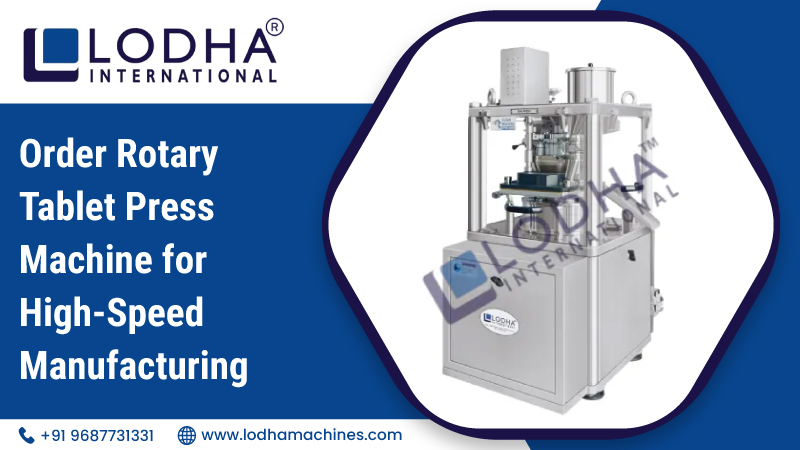
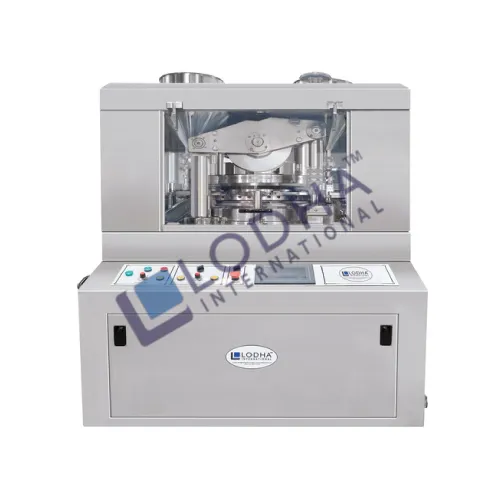
- Mini Rotary Tablet Press Machine suits small-scale and R&D environments.
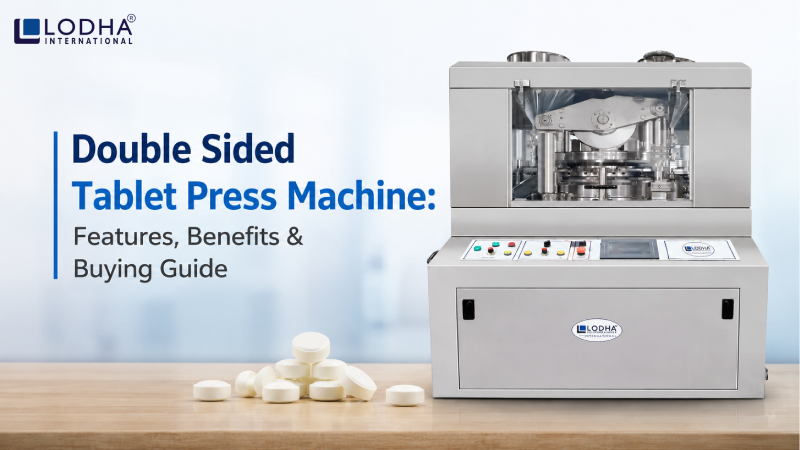
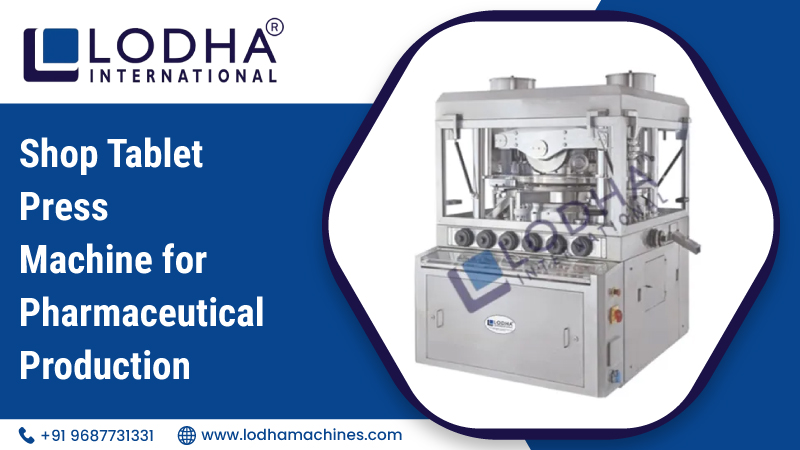
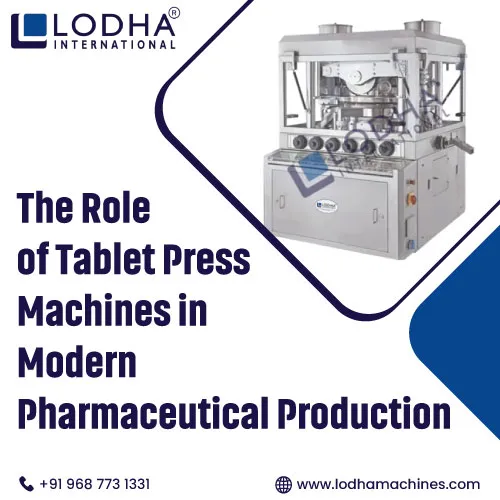
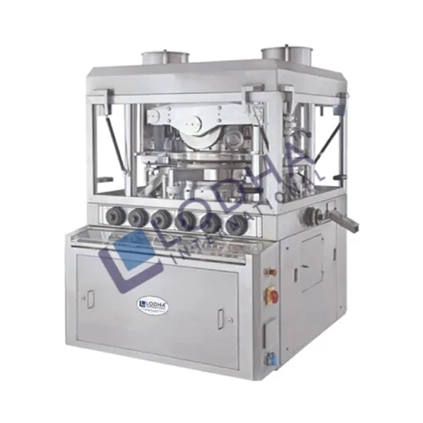
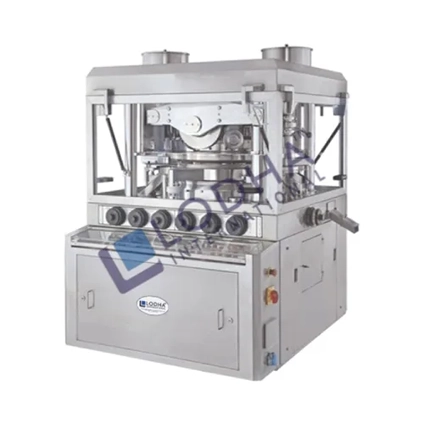
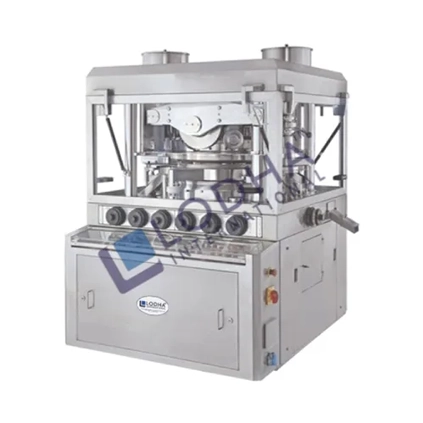
- Double-sided Rotary Tablet Press supports high-volume pharmaceutical production.
- Working with Lodha International LLP improves long-term equipment reliability.
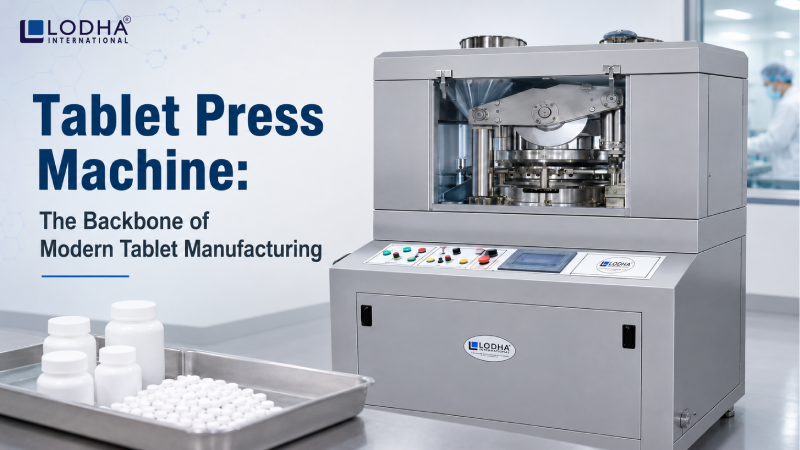
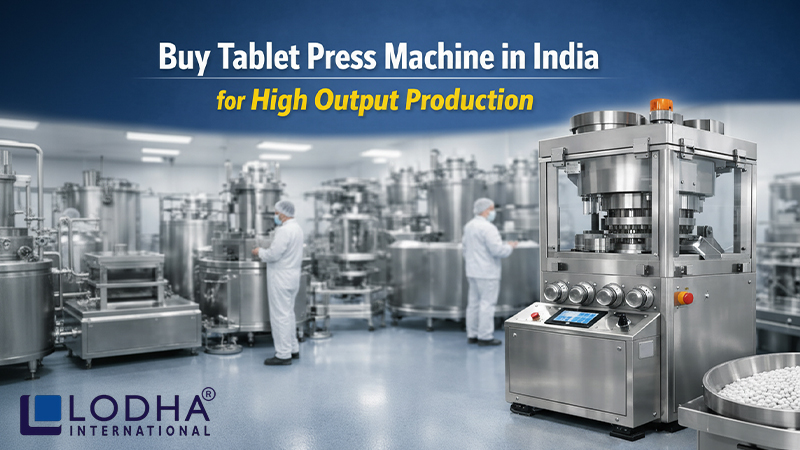
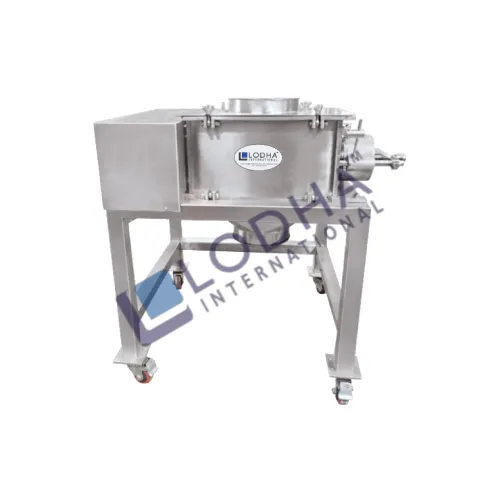
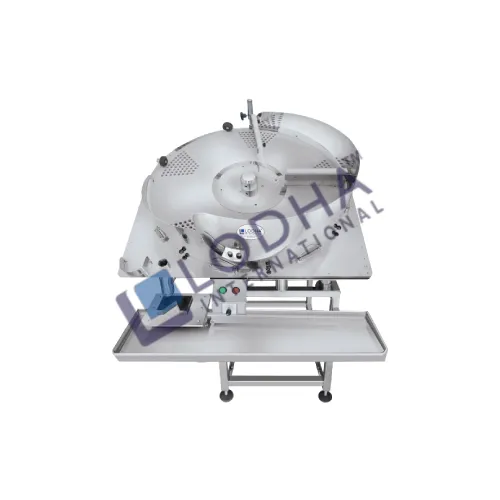
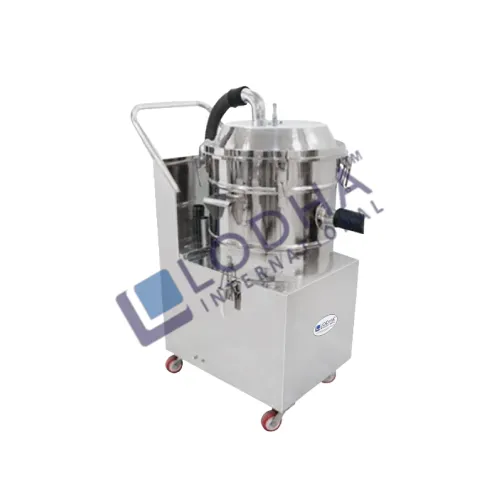
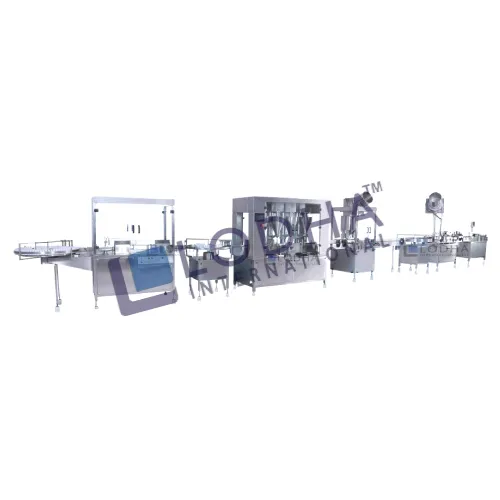
In pharmaceutical manufacturing, the smallest inconsistency can create the biggest problems. Tablet weight variation, hardness issues, or uneven compression — these aren’t minor inconveniences; they directly affect product quality and regulatory compliance. That’s exactly why choosing the right Tablet Press Machine is never just a purchase decision. It’s a production strategy.
For pharma manufacturers, nutraceutical producers, and formulation specialists, the right tablet compression solution determines output stability, batch consistency, and long-term operational efficiency. With advanced engineering and practical design focus, Lodha International LLP has positioned itself as a trusted provider of tablet compression equipment that aligns with real production demands. Whether you are scaling output or upgrading existing lines, understanding the features that truly matter will help you make a smarter investment.
Why the Right Tablet Press Matters in Pharma Production
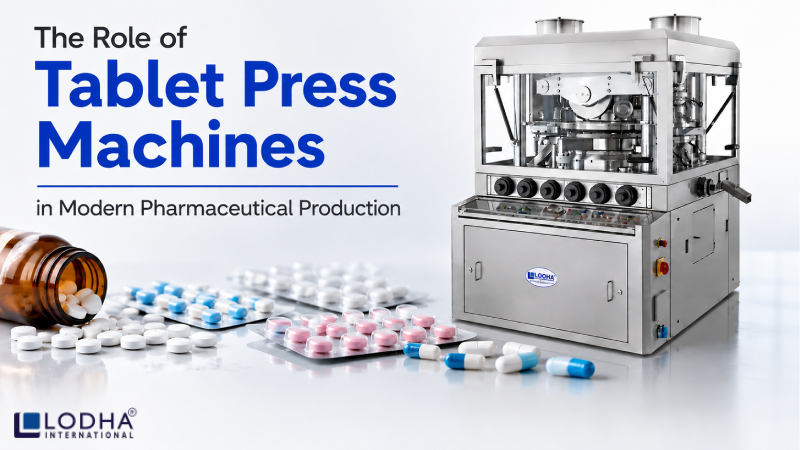
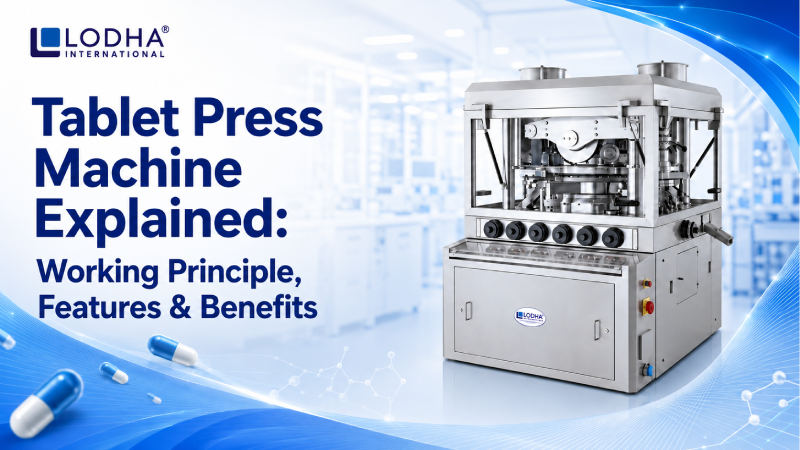
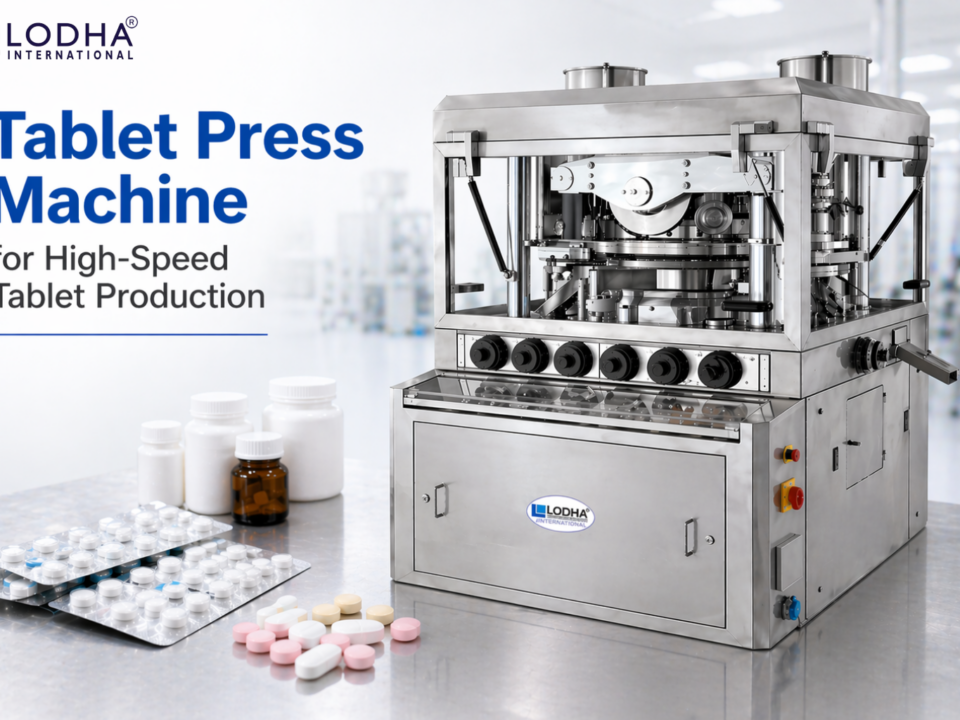
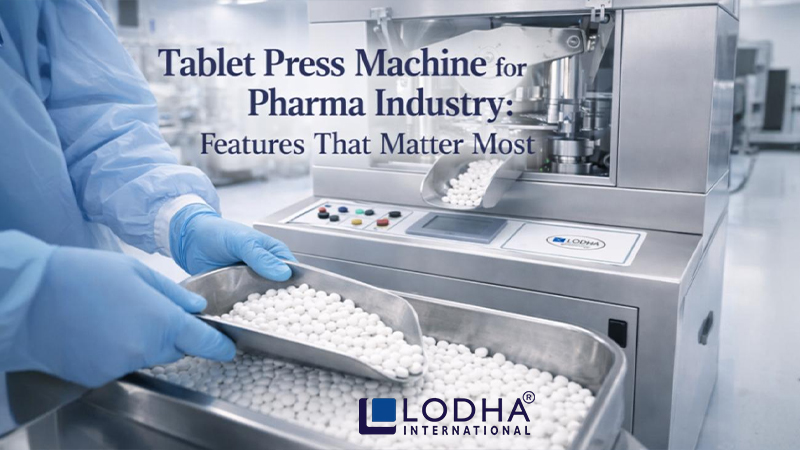
Tablet manufacturing is a precision-driven process. Even small variations in compression force or turret speed can affect tablet hardness, friability, and dissolution behaviour. That’s why modern Tablet Press Machine systems are built with tighter control, improved mechanical stability, and smarter monitoring.
When manufacturers invest in high-quality compression equipment from Lodha International LLP, they are typically aiming to achieve three outcomes: consistent tablet quality, higher production throughput, and reduced downtime. Poorly designed machines may appear cost-effective initially but often create recurring production challenges later.
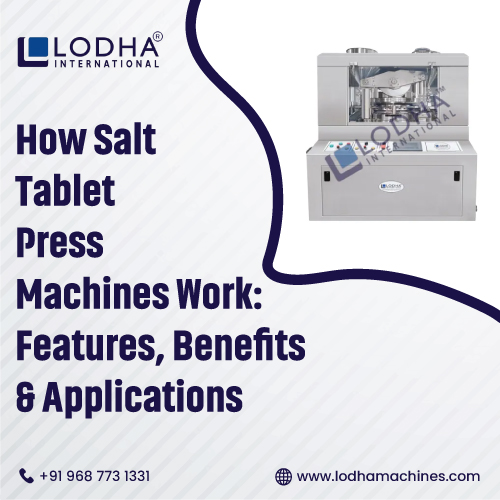
For growing pharma companies, selecting between a Mini Rotary Tablet Press Machine, a Salt Tablet Press Machine, or a double-sided rotary tablet press depends largely on batch size, formulation type, and required output speed. Understanding these differences is essential before finalising any procurement decision.
Core Features That Define a High-Performance Tablet Press
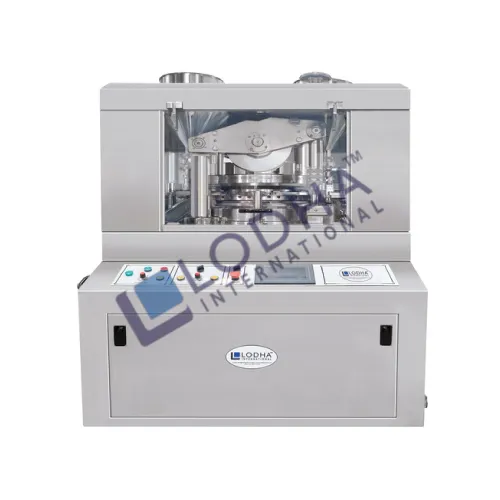
- Precision Compression Control: At the heart of every reliable Tablet Press Machine lies its compression system. Consistent compression force directly impacts tablet hardness and weight uniformity. Modern machines from Lodha International LLP are engineered to maintain stable compression even during long production runs. This becomes particularly important when working with sensitive formulations. Whether you are operating a Mini Rotary Tablet Press Machine for small batches or a high-speed double sided rotary tablet press, accurate force control helps reduce rejection rates and improves batch repeatability.
- Robust Turret Design and Mechanical Stability: Mechanical rigidity plays a bigger role than many buyers initially realise. A well-balanced turret reduces vibration during high-speed operation, which in turn improves tablet uniformity and tooling life. Manufacturers evaluating a Salt Tablet Press Machine often pay close attention to turret strength because salt-based formulations can behave differently under compression. Lodha International LLP designs its machines with durable structural components that support long-term operational stability, even in demanding production environments.
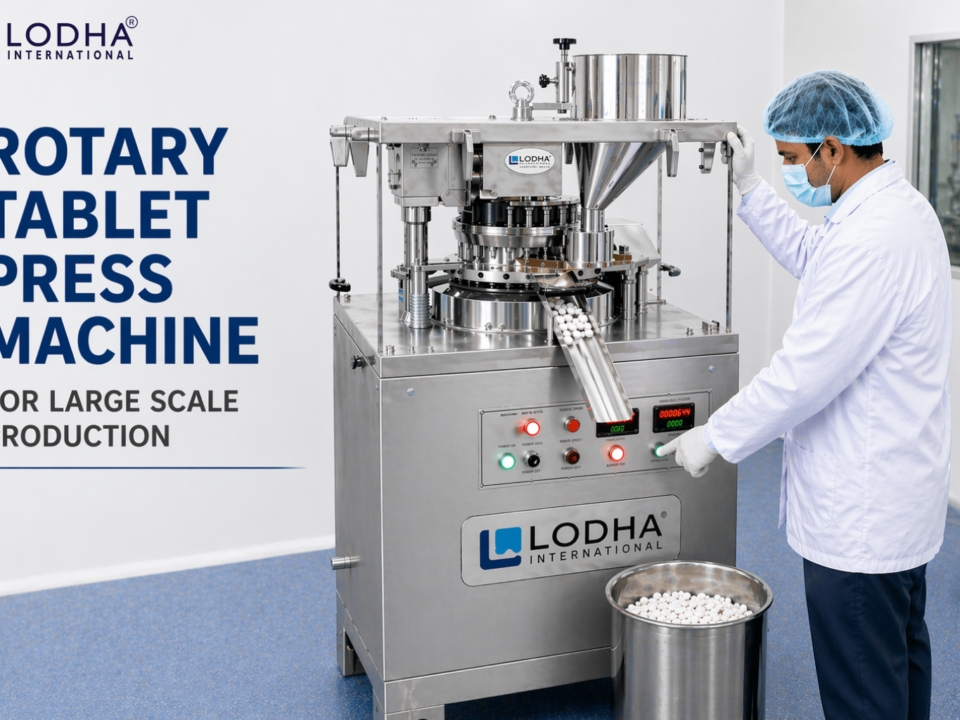
- Output Flexibility for Different Production Scales: Not every facility needs the same output capacity. Some plants run pilot batches, while others operate continuous high-volume lines. This is where machine selection becomes strategic. A Mini Rotary Tablet Press Machine works well for R&D environments, small-batch nutraceutical production, or speciality formulations. On the other hand, a double-sided rotary tablet press supports high-output pharmaceutical manufacturing where speed and consistency must work together. Lodha International LLP offers configurations that allow manufacturers to scale gradually rather than replacing entire systems prematurely. That flexibility often reduces long-term capital pressure.
- Tooling Compatibility and Changeover Efficiency: Frequent product changeovers are common in modern pharma facilities. If tooling replacement takes too long, production efficiency drops quickly. A well-designed Tablet Press Machine should support standard tooling formats and allow relatively quick changeovers. Lodha International LLP focuses on operator-friendly access points and practical machine layouts that simplify maintenance and tooling adjustments.
This becomes especially useful for facilities running multiple SKUs or contract manufacturing operations where downtime directly affects profitability.
Comparing Machine Types for Better Selection
Choosing between machine variants often becomes clearer when you look at their typical applications:
| Machine Type | Best Suited For | Key Advantage |
| Mini Rotary Tablet Press Machine | R&D labs, small batch production | Compact size and flexible output |
| Salt Tablet Press Machine | Salt and mineral tablet production | Handles specific material behaviour |
| double sided rotary tablet press | High-volume pharma manufacturing | Higher output with dual compression |
Lodha International LLP helps clients evaluate these options based on real production needs rather than pushing a one-size-fits-all solution.
Automation and Control Systems
Modern pharmaceutical environments increasingly demand process visibility. Advanced Tablet Press Machine systems now integrate user-friendly control panels, monitoring interfaces, and safety interlocks that support GMP-oriented production.
Automation helps operators maintain consistent tablet parameters while reducing manual intervention. Whether using a Mini Rotary Tablet Press Machine or a full-scale double sided rotary tablet press, digital monitoring adds an extra layer of operational confidence.
Lodha International LLP continues to focus on practical automation — not unnecessary complexity — so production teams can manage equipment comfortably without steep learning curves.
Build Quality and Compliance Readiness
Pharma buyers rarely look only at output speed. Material construction, surface finish, and cleanability matter just as much, especially in regulated environments.
A properly designed Salt Tablet Press Machine or rotary press should support hygienic operation and straightforward cleaning access. Lodha International LLP builds machines with pharma-grade materials and practical layouts that align with industry expectations without overcomplicating maintenance routines.
This attention to build quality often reduces long-term service issues and supports smoother audit readiness.
Maintenance Practicality and Long-Term Reliability
Every production manager knows that downtime rarely announces itself politely. Preventive maintenance and easy service access play a major role in keeping tablet lines running consistently.
When evaluating a Tablet Press Machine, buyers should look beyond brochure specifications and consider lubrication access, spare part availability, and service support. Lodha International LLP emphasises service-friendly design, so routine maintenance does not disrupt production schedules unnecessarily.
Over time, this practical engineering approach often delivers better total cost efficiency than simply choosing the lowest upfront price.
Why Choose us
Selecting tablet compression equipment is not just about specifications on paper; it is about long-term production confidence. Lodha International LLP focuses on delivering machines that align with real pharmaceutical manufacturing conditions rather than theoretical performance claims. The company combines practical engineering, durable construction, and responsive support to help manufacturers maintain consistent tablet quality across batches. With experience across multiple compression requirements — from compact rotary systems to high-output configurations — Lodha International LLP works closely with clients to recommend solutions that fit their scale, formulation type, and operational priorities.
Conclusion
Choosing the right Tablet Press Machine plays a direct role in tablet quality, production stability, and long-term manufacturing efficiency. From compact Mini Rotary Tablet Press Machine units to specialised Salt Tablet Press Machine models and high-output double sided rotary tablet press systems, each configuration serves a specific production need. The key is selecting equipment that aligns with your formulation, batch size, and operational goals. With practical engineering focus and dependable support, Lodha International LLP provides tablet compression solutions designed for real pharmaceutical environments, helping manufacturers maintain consistent performance while planning confidently for future production growth.
Looking for the right tablet press machine for pharma production? Call +91 9687731331 or email info@lodhapharma.com to discuss your tablet compression requirements today.
FAQs
What is the main purpose of a Tablet Press Machine?
A Tablet Press Machine compresses powder or granules into uniform tablets used in pharmaceutical and nutraceutical manufacturing.
When should I choose a Mini Rotary Tablet Press Machine?
A Mini Rotary Tablet Press Machine is suitable for small batch production, pilot runs, or R&D environments where flexible output is required.
What makes a Salt Tablet Press Machine different?
A Salt Tablet Press Machine is designed to handle the specific compression behaviour of salt and mineral-based formulations.
Why use a double-sided rotary tablet press?
A double sided rotary tablet press is ideal for high-speed, high-volume production where dual compression improves output efficiency.
How do I select the right tablet press for my plant?
Selection depends on formulation type, batch size, required output, and available production space. Consulting with Lodha International LLP helps align the machine with your operational needs.