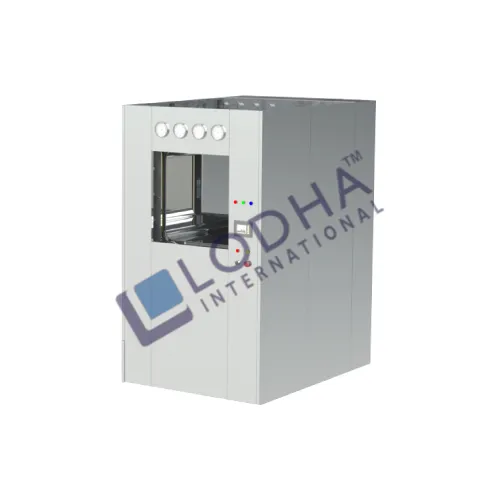
Autoclave Sterilizer
Autoclaves are specialized machines designed to perform various industrial and scientific processes requiring raised pressure and temperature. These essential tools are integral to numerous industries and scientific efforts, from sterilizing cells to preserving DNA. Understanding how autoclaves work, their benefits, and how to select the right one for your needs is important. Here, we explore into the common uses of autoclaves, the benefits they offer, and key considerations for choosing an appropriate autoclave for your specific requirements.
How Autoclaves Work
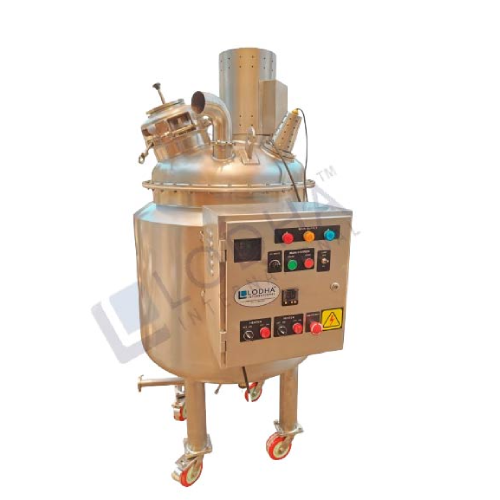
Autoclaves operate by circulating steam and gas within a strong steel chamber, typically cylindrical in shape to withstand high pressure. The high-pressure steam penetrates materials, effectively killing bacteria, spores, and other microorganisms. This process makes sure that the sterilized items are free from contaminants, making autoclaves indispensable in various fields, particularly in medical, pharmaceutical, and research applications.
Common Uses of Autoclaves
Medical and Healthcare: Autoclaves are widely used in hospitals and clinics to sterilize surgical instruments, laboratory equipment, and other medical devices. This sterilization process is important to prevent the spread of infections and make sure patient safety.
Pharmaceutical Industry: In the pharmaceutical sector, autoclaves play an important role in research and development. They sterilize equipment and materials used in the production of medicines, helping to maintain stringent hygiene standards and prevent contamination.
Research and Academia: Research institutions and academic laboratories use autoclaves to sterilize laboratory ware and media. This confirms that experiments are conducted in controlled, sterile environments, thereby increasing the accuracy and quality of research findings.
Benefits of Using Autoclaves
Effective Sterilization: Autoclaves provide high levels of sterilization, eliminating a wide range of pathogens and ensuring that instruments and equipment are safe to use.
Capability: They are capable of sterilizing various materials, including metals, plastics, and glass, making them suitable for varies applications.
Efficiency: Autoclaves can sterilize multiple items simultaneously, saving time and improving productivity in busy industrial or laboratory settings.
Safety: Modern autoclaves come equipped with safety features such as pressure and temperature controls, ensuring safe operation and preventing accidents.
Choosing the Right Autoclave for Your Needs
Selecting the right autoclave depends on several factors, including the intended use, capacity requirements, and budget constraints. Here are some key considerations:
Capacity and Size: Determine the volume of materials you need to sterilize regularly. Choose an autoclave with appropriate chamber size to accommodate your needs without compromising on efficiency.
Type of Autoclave: There are different types of autoclaves, including gravity displacement, pre-vacuum, and steam-flush pressure-pulse. Each type has specific advantages and is suitable for different applications. For instance, pre-vacuum autoclaves are ideal for sterilizing porous materials, while gravity displacement autoclaves are commonly used for general sterilization.
Automation Level: Consider whether you need a manual or automated autoclave. Automated autoclaves offer ease of use and consistent performance, while manual ones might be more cost-effective for smaller operations.
Compliance and Standards: Make sure that the autoclave complies with industry standards and regulations. This is particularly important in medical and pharmaceutical industries where strict sterilization protocols are required.
Maintenance and Support: Choose a reliable manufacturer that offers complete maintenance and support services. This makes sure that your autoclave operates efficiently and minimizes downtime due to technical issues.
Market Insights
The global autoclave market is experiencing significant growth, driven by increased demand from key end-user segments such as hospitals, medical clinics, and research institutes. In North America, the market is one of the largest, supported by substantial R&D expenditures. According to the Organization for Economic Cooperation and Development (OECD), R&D spending in this region has surged by over 20% in the last two decades, with almost 80% of global R&D dollars concentrated in the OECD area. Europe, particularly the U.K. and Germany, also represents a strong autoclave market, with the U.K. being the largest in the region. The growing geriatric population in China is expected to drive regional market growth further. Overall, the global demand for autoclaves is projected to continue its upward trajectory, with the market expected to exceed US$ 200 million by 2030.
Conclusion
Choosing the right autoclave sterilizer is important for ensuring effective sterilization in various industrial and scientific processes. By understanding the working principles, benefits, and key considerations for selection, you can make an informed decision that meets your specific needs. As the demand for autoclaves continues to grow, investing in a high-quality autoclave from a reputable manufacturer like Lodha’s quality, efficiency, and safety in your operations.
Get top-quality with Lodha’s Autoclaves sterilization. Contact us today at +91 9687631331 or email info@lodhapharma.com to learn more and find the perfect solution for your needs.